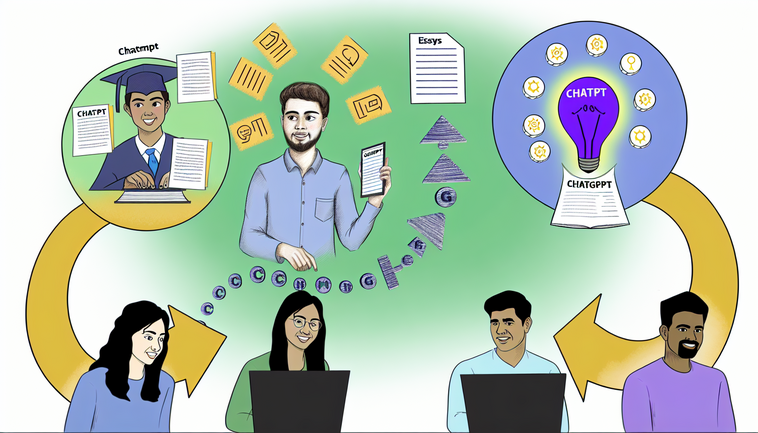
When ChatGPT first burst onto the educational scene, many saw it as nothing more than a clever shortcut for solving assignments. Over time, however, its capabilities have evolved into a spectrum of support tools that reach far beyond mere homework completion. Instead of simply delivering answers, ChatGPT is transforming how students engage with learning material and develop essential skills.
One of the most significant shifts I’ve observed is its role as an on-demand tutor. By asking targeted questions, learners can drill down on complicated concepts, receive step-by-step explanations, and build confidence at their own pace. This form of personalized guidance fills gaps that might otherwise go unaddressed in crowded classrooms.
Beyond clarifying academic material, ChatGPT has proven adept at helping students design study plans. It can outline weekly schedules, suggest effective revision techniques, and flag potential knowledge blind spots. From my vantage point, this planning assistance fosters self-discipline and nurtures a proactive approach to studying.
Creativity is another arena where ChatGPT shines. Writers wrestling with a blank page can use the tool to brainstorm plot twists, refine thesis statements, or experiment with different tones. This collaborative spark encourages learners to take ownership of their ideas, rather than simply copying canned responses.
Equity and accessibility also stand to benefit. Multilingual support lets non-native speakers practice new languages by engaging in real-time conversation. Additionally, students in remote or under-resourced communities can access curated reading lists and research summaries without expensive textbooks or paid tutoring services.
No tool is without its challenges, and I believe it’s crucial to address them head on. Overreliance on AI can hamper critical thinking if students lean too heavily on generated responses. Accuracy concerns mean learners must verify information, and educators should teach digital literacy skills to navigate these emerging technologies responsibly.
In conclusion, the narrative around ChatGPT in education is shifting from alarm to opportunity. When integrated thoughtfully, it can serve as a coach, planner, creativity booster, and equalizer. Embracing these possibilities while maintaining a balanced, ethical framework will empower students to not only complete assignments, but to grow into curious, self-reliant learners ready for the challenges of tomorrow.