2025 proved to be a watershed year in the intersection between cutting-edge innovation and ethical responsibility. From AI breakthroughs to ubiquitous data harvesting, the tech world posed fresh dilemmas about who benefits and who bears the costs of progress. These top ten stories didn’t just make headlines—they asked us to reconsider the very foundations of trust, accountability and human dignity in a digital age.
First came the rapid push for robust AI governance frameworks as governments scrambled to balance economic growth with safeguards. New regional regulations aimed at curbing unchecked model training highlighted the tension between unfettered research and societal protection. My take: without global harmonization, we risk a patchwork of rules that stifle collaboration just as much as they curb risks.
Next, deepfake technology evolved from awkward spoof videos into something alarmingly seamless. Political actors, fraudsters and pranksters exploited these tools to fabricate entire public narratives. In response, startups raced to develop watermarking and source-verification protocols. I believe the true breakthrough will occur when platforms accept shared standards for content provenance rather than invent proprietary fixes.
In parallel, debates over data privacy flared up again as biometric and behavioral tracking moved into mainstream commerce. Users balked at fine print that allowed companies to monetize face scans and emotion analytics. My perspective: meaningful consent demands transparency in everyday language and real choices, not hidden toggles buried under pages of legal jargon.
Another flashpoint involved algorithmic discrimination in hiring, credit scoring and public services. Class-action suits against biased decision-making thrust the demand for third-party audits into the spotlight. I argue that encouraging open-source toolkits and whistleblower protections creates a stronger ecosystem of accountability than relying solely on corporate self-reporting.
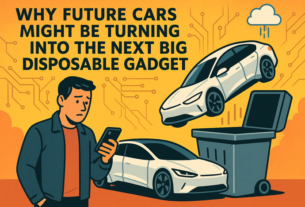
Meanwhile, autonomous vehicles and delivery drones tested our tolerance for risk when split-second ethical decisions became a practical reality. From algorithms that must choose between potential harms to lanes of traffic, these machines forced us to codify moral judgments in code. I view this as an invitation for multidisciplinary teams—engineers, ethicists and community representatives—to collaborate on scenario planning.
Looking ahead, the culmination of these ten stories teaches us that technology ethics can’t be an afterthought. True progress demands ongoing dialogue between innovators, regulators and the public. Only by weaving ethical reflection into every stage of design and deployment can we build digital systems that enrich lives without sacrificing our shared values.