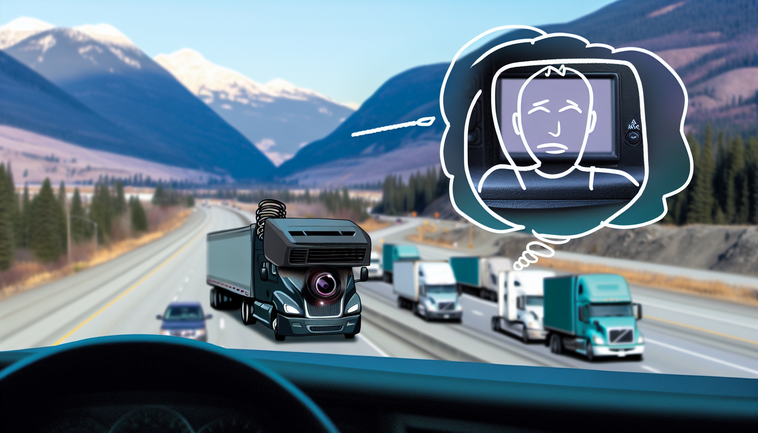
Kamloops-North Thompson MLA Ward Stamer recently tabled legislation that would require every commercial truck in British Columbia to be equipped with dashboard cameras. The aim is clear: capture real-time footage to enhance road safety, deter reckless behavior, and improve accountability following collisions or near-miss incidents. The proposal has ignited a spirited debate in the legislature about how best to protect drivers, passengers and pedestrians.
Supporters of the measure argue that dash cams are a low-cost insurance policy against ambiguity in crash investigations. By delivering objective video evidence, proponents believe legal disputes can be resolved more quickly and fairly, reducing the strain on emergency responders and the courts. For communities that have endured fatal trucking accidents, the bill promises a ray of hope.
Yet not everyone is convinced. Some legislators have raised concerns about mandating new equipment under provincial law, warning that blanket requirements could saddle small carriers with unexpected capital expenses. In a sector where profit margins are already thin, even a few hundred dollars per vehicle can translate into higher shipping costs or cutbacks on maintenance budgets.
Privacy advocates have also weighed in, cautioning that continuous recording might infringe on drivers’ personal space during downtime inside cabs. Questions swirl about who controls the footage, how long it’s stored, and whether it could be repurposed for performance monitoring in ways that undermine worker autonomy. Striking the right balance between transparency and personal freedom has become a central sticking point.
Some experts suggest a middle path: offering government grants or tax credits to smaller operators who install dash cams voluntarily, rather than imposing a rigid mandate. A phased approach—starting with high-risk corridors or carriers above a certain size—might diffuse resistance and allow data collection to inform a broader rollout later on. Pilot programs in other provinces hint that targeted incentives can yield high adoption rates without heavy-handed regulation.
Across North America, jurisdictions such as Alberta and Ontario have experimented with video-monitoring initiatives for commercial fleets. Early results indicate that companies using dash cams report fewer accidents and lower insurance premiums. Those studies could provide the empirical backbone to refine Stamer’s proposal, ensuring it addresses practical hurdles while preserving its safety goals.
Ultimately, the legislature’s deliberations underscore a fundamental question: how do we leverage technology to make roads safer without imposing undue burdens on hardworking drivers and businesses? As the bill moves toward a potential second reading, stakeholders on all sides will need to collaborate on solutions that marry efficacy with fairness. Through open dialogue and willingness to compromise, Kamloops could lead the way toward smarter, safer highways—respecting both public welfare and private enterprise.