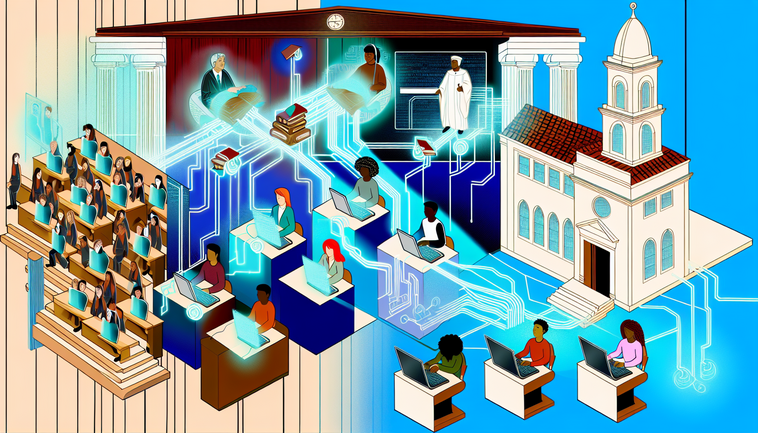
Today universities find themselves at a crossroads as the tools that once defined academic authority begin to slip from their grasp. Traditional classroom lectures and prescribed textbooks are being supplemented—and in some cases replaced—by intelligent software that adapts to each learner in real time.
Machine learning platforms now offer tailored tutorials, instant feedback, and interactive exercises at a fraction of the cost of a four-year degree. This surge in accessible instruction forces higher education institutions to rethink what they can offer beyond content delivery.
Meanwhile, students report growing feelings of isolation. The shift toward digital learning and remote study exacerbates a sense of detachment, leaving many young adults yearning for genuine human interaction and shared experiences.
In response, universities must pivot from being mere repositories of knowledge to active cultivators of connection. By prioritizing mentorship, peer collaboration, and meaningful social spaces, they can provide what no algorithm can replicate: a sense of belonging.
Concrete steps might include structured small-group projects, living-learning communities that pair students with faculty mentors, and curated events designed to spark organic conversation. Hybrid models that blend online resources with in-person gatherings can create the best of both worlds.
Embracing this shift can yield multiple dividends. Enhanced well-being supports academic success, while a stronger campus culture fosters innovation and lifelong networks. Institutions that master this balance are likely to see improved retention and richer student outcomes.
Ultimately, the future of higher education hinges on its ability to weave knowledge with community. By selling connection as passionately as they once sold instruction, universities can transform loneliness into camaraderie and ensure their relevance in an AI-driven era.