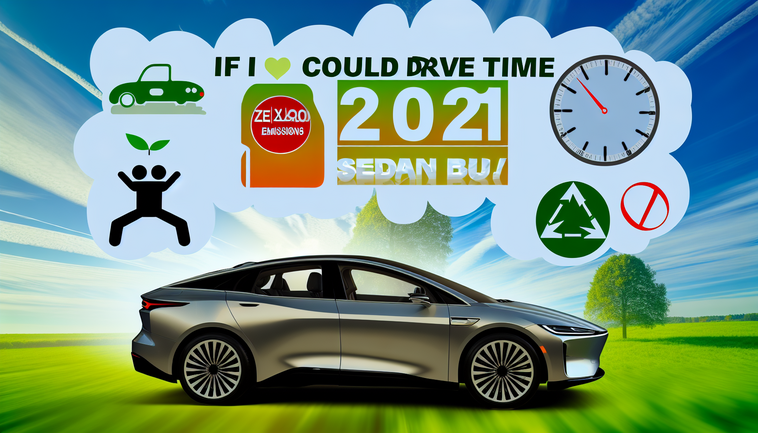
When I first pulled my shiny new electric sedan out of the showroom in 2021, I felt like I’d unlocked the future. The sleek profile, the silent torque, the promise of zero emissions—it was everything I thought I wanted in a car. Two years and tens of thousands of miles later, I still get a thrill behind the wheel, but I’ve also collected insights I wish I’d known before signing on the dotted line.
At the outset, acceleration was my favorite party trick. Spinning the wheels through a quick-touch throttle felt like slingshotting into another dimension. It made daily commutes and spontaneous highway merges equally exhilarating. My only regret here: I probably didn’t need the top-performance package to get the same rush. A mid-range model would have satisfied my speed cravings at a fraction of the cost.
One of the biggest surprises has been how deeply I depend on the car’s software ecosystem. Over-the-air updates deliver new features at random intervals, turning my vehicle into a constantly evolving gadget. From in-car gaming to improved autopilot routines, each update has been like unwrapping a virtual gift. If only Tesla had offered a clearer roadmap so I could have weighed the value of features versus price more accurately from day one.
Yet the reliance on screens can be a double-edged sword. When the central display locked up early last year, I felt uncomfortably exposed without a mechanical backup. It was a stark reminder that cutting-edge tech sometimes comes at the cost of basic redundancy. If I could revise my initial order, I’d spend a little extra on an extended warranty or insist on a plan that covers common electronic glitches.
Charging strategy has also colored my experience in unexpected ways. Frequent road trips made me a regular at fast-charging stations, and I’ve learned to anticipate peak hours and station reliability. In retrospect, I would have chosen a battery variant with a slightly longer range—even at the expense of cabin amenities—so I could chase down fewer charging stops and keep my travel stress to a minimum.
Looking back, I see that buying an electric vehicle is as much a lifestyle decision as it is a financial one. The environmental pride and smooth daily ritual of plugging in at home outweigh any quirks or splurge items I might swap out. For anyone on the fence, I’d recommend focusing on long-term ownership costs, available charging infrastructure in your region, and which digital perks truly enhance your day-to-day drive.
Ultimately, I wouldn’t trade my Tesla experience for anything, but that doesn’t mean I’d repeat every choice I made in 2021. If I could drive time, I’d refine my customization, shore up the warranty, and tailor the battery range to my actual habits. In the process, I’ve learned that finding the perfect car isn’t about chasing the latest bells and whistles—it’s about aligning your purchase with the way you live, commute, and imagine the open road ahead.