As Disney continues to mine its animated classics for new life through live-action adaptations, one film stands out for its deeply emotional resonance and enduring popularity: Lilo & Stitch. This 2002 animated gem has become more than just a childhood favorite—it’s a cornerstone of Zillennial nostalgia, bridging the gap between Millennials and Gen Z with a story rooted in family, identity, and the beautiful chaos of imperfection.
What Makes Lilo & Stitch So Special?
Released in the summer of 2002, Lilo & Stitch quickly captured the hearts of audiences with its quirky humor, alien-meets-hula-girl premise, and unique Hawaiian backdrop. But more than that, it told a story that felt real and raw. At its core, it’s about ohana—a Hawaiian concept that means family, and more importantly, that “family means nobody gets left behind.”
While other Disney classics transported us to fantasy kingdoms and magic carpets, Lilo & Stitch stayed grounded—despite one of its protagonists being a destructive alien monster.
Key Themes That Resonate with Zillennials
- Non-traditional families: Lilo is raised by her older sister Nani after the death of their parents. This portrait of sisterly love and improvised parenting spoke to many who experienced similar dynamics or non-nuclear families.
- Emotional complexity: Unlike other Disney protagonists, Lilo is weird, loud, misunderstood, and prone to emotional outbursts—something that felt incredibly authentic.
- A rejection of perfection: Stitch, a literal product of chaos, shows that broken things—and broken families—can still be healed with love and patience.
Zillennial Nostalgia: What It Means
So what exactly is a Zillennial? This micro-generation—also known as “Zennials” or the Oregon Trail generation—falls between late Millennials and early Gen Z, generally those born between 1992 and 2000. They grew up in a world transitioning from analog to digital, and their entertainment habits reflect that unique position.
Lilo & Stitch emerged right during their formative years, etching itself into the emotional core of an entire micro-generation. Its release coincided with real-world changes affecting family structure, cultural identity, and teen mental health—all of which echo in the film.
Why the Timing Was Perfect
In 2002, Disney was struggling to find its place post-90s Renaissance. With minor hits like Atlantis: The Lost Empire and Treasure Planet underperforming at the box office, Lilo & Stitch emerged as a surprise success. It was a risk—there were no fairytale tropes, no Broadway-style musical numbers. Instead, it brought Elvis songs, stylized animation, and a fresh visual tone that stood out.
This film didn’t just entertain—it comforted. For Zillennials who saw themselves in Lilo’s misfit energy or Nani’s overburdened devotion, the film became a kind of emotional balm.
The Role of Pop Culture and Merchandising
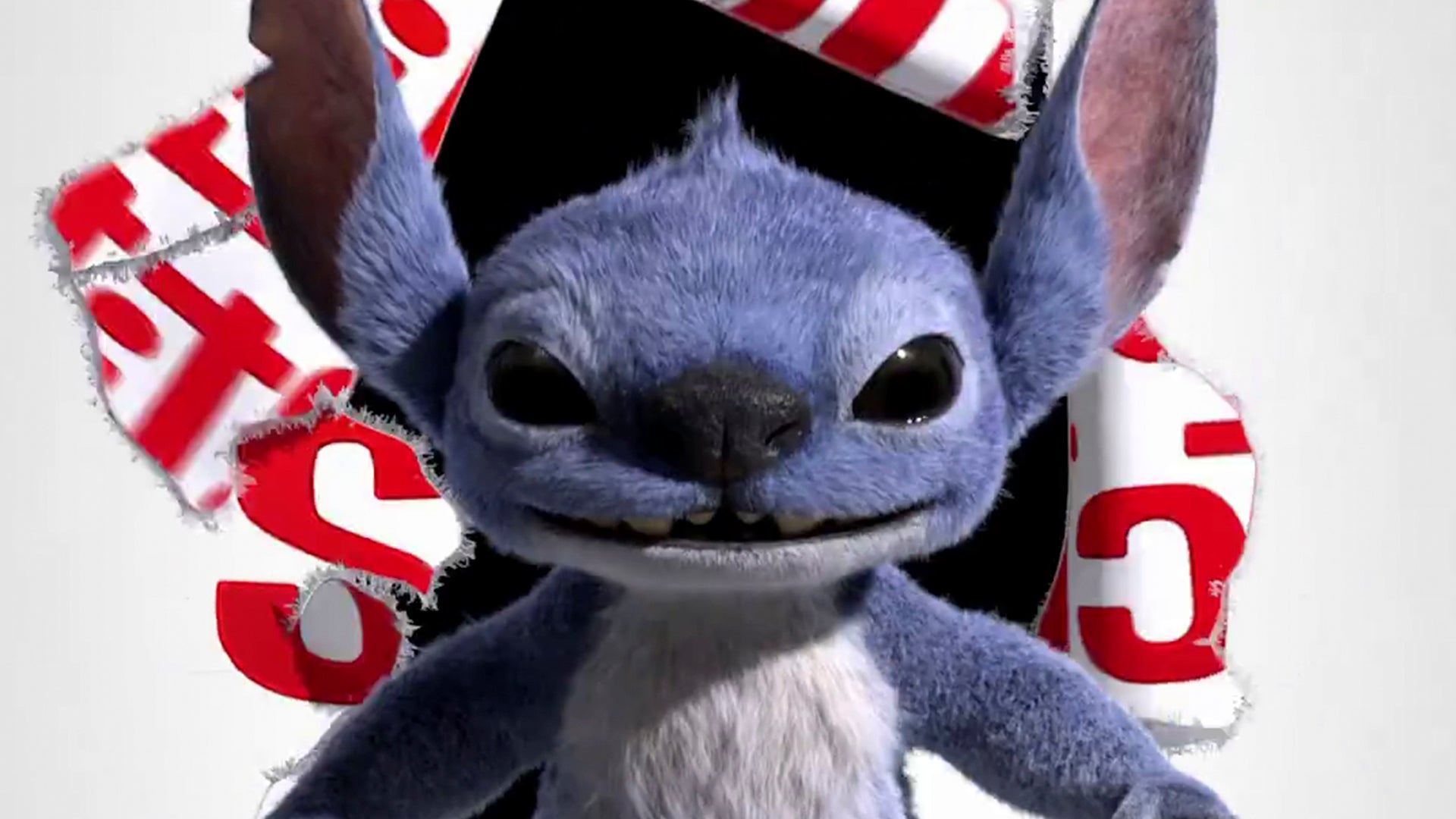
Beyond the screen, Lilo & Stitch cemented its legacy through merchandise, spinoff shows, and cultural visibility. The lovable blue alien Stitch, in particular, took on a life of his own—becoming a mascot of rebellion and cuteness that resonated with children and teens alike.
Merchandise and Media Extensions
- TV spinoffs like Lilo & Stitch: The Series and anime adaptation Stitch!
- Massive merchandise lines—plush toys, backpack clips, pajamas, Funko Pops
- Frequent references in memes and nostalgic TikTok content
Pop culture remembered—or never forgot—Lilo & Stitch. Unlike many early-2000s Disney films that faded over time, Stitch remained iconic. His image found a second life in the 2010s as Zillennials aged and began curating their own digital spaces through Tumblr fandoms, Etsy boutiques, and eventually, adult nostalgia.
The Live-Action Remake: What’s at Stake?
Disney’s upcoming live-action adaptation of Lilo & Stitch has sparked a mix of excitement and trepidation—especially among Zillennials. Many are protective of the film because its themes hit so close to home. The casting of Hawaiian actress Maia Kealoha as Lilo shows an effort toward authenticity and inclusion, yet backlash brewed online over colorism concerns in other announced roles.
This remake faces the delicate task of retaining the heart of the original while updating the story for a broader global generation. Zillennials expect more than a glossy retread—they want it to respect the emotional honesty and cultural integrity of the original masterpiece.
What Audiences Hope to See
- Respect for Hawaiian culture: The original film took care to portray the islands with love and respect, and fans hope the remake continues that tradition.
- Authentic emotional core: It’s not about the alien—it’s about coping with loss, sibling devotion, and the messiness of family.
- Diverse representation: Casting decisions and character portrayals matter more than ever in 2024, especially for a beloved story rooted in inclusivity.
Final Thoughts: Why Lilo & Stitch Still Matters
Over two decades later, Lilo & Stitch continues to matter because it offered something different. It didn’t give us the perfect princess arc or a charming prince. It gave us a girl who loved differently, hurt deeply, and fought for her family. For Zillennials navigating the complicated transition from childhood to adulthood, that message was profound.
In a media landscape that’s often driven by trends and reboots, it’s powerful when a story told so simply continues to resonate. Lilo & Stitch isn’t just nostalgic—it’s timeless.
And as the live-action remake prepares to usher this story into a new era, one thing remains unchanged: Ohana means family, and family means nobody gets left behind… or forgotten.