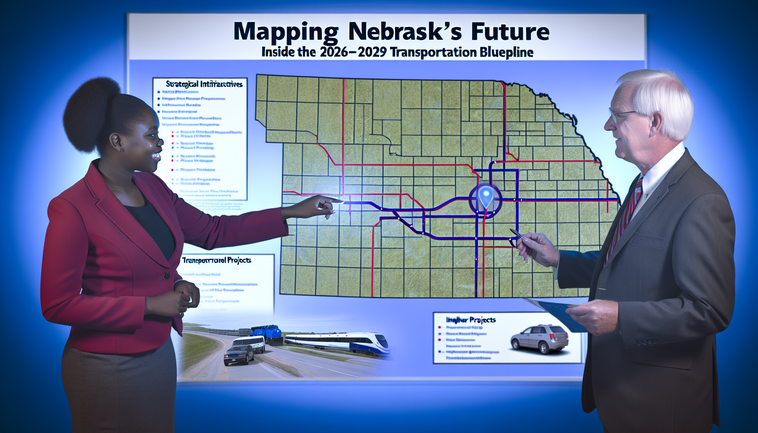
The Nebraska Department of Transportation (NDOT) recently unveiled its proposed Statewide Transportation Improvement Program for fiscal years 2026 through 2029. This strategic document outlines hundreds of millions in planned investments, and it’s now open for public inspection online or at local NDOT offices.
At its core, a STIP is the four-year roadmap that guides how federal and state funds will be allocated across Nebraska’s highways, bridges, public transit, and bicycle and pedestrian corridors. By compiling project lists, cost estimates, and implementation schedules, the plan ensures transparency and compliance with federal requirements.
Key projects under consideration span a wide spectrum—from rehabilitating aging bridges and widening critical highway segments to piloting electric vehicle charging stations and expanding rural transit services. This holistic approach aims to enhance safety, boost connectivity, and accommodate emerging mobility trends.
What truly sets this STIP apart is its call for community involvement. Interested citizens can review detailed project descriptions at ndot.info/stip or pick up printed copies at district offices. NDOT encourages feedback, believing that local insights can sharpen project priorities and deliver more effective results.
From my perspective, the proposed program strikes a delicate balance between preserving existing infrastructure and investing in forward-looking solutions. Nebraska’s blend of urban hubs and sprawling rural landscapes demands a nuanced strategy—one that prioritizes safety and economic growth without losing sight of sustainability.
Moreover, the STIP’s investments carry implications beyond asphalt and steel. Improved transportation corridors can invigorate local economies, reduce commute times, and lower environmental impacts. By aligning resources with community needs, Nebraska has the opportunity to create jobs and foster more resilient, climate-conscious infrastructure.
In conclusion, the 2026–2029 STIP represents both a commitment and a catalyst. It promises targeted improvements across the state but depends on active public dialogue to truly succeed. I urge all Nebraskans to explore the plan, share your perspectives, and help steer the future of transportation in our great state.