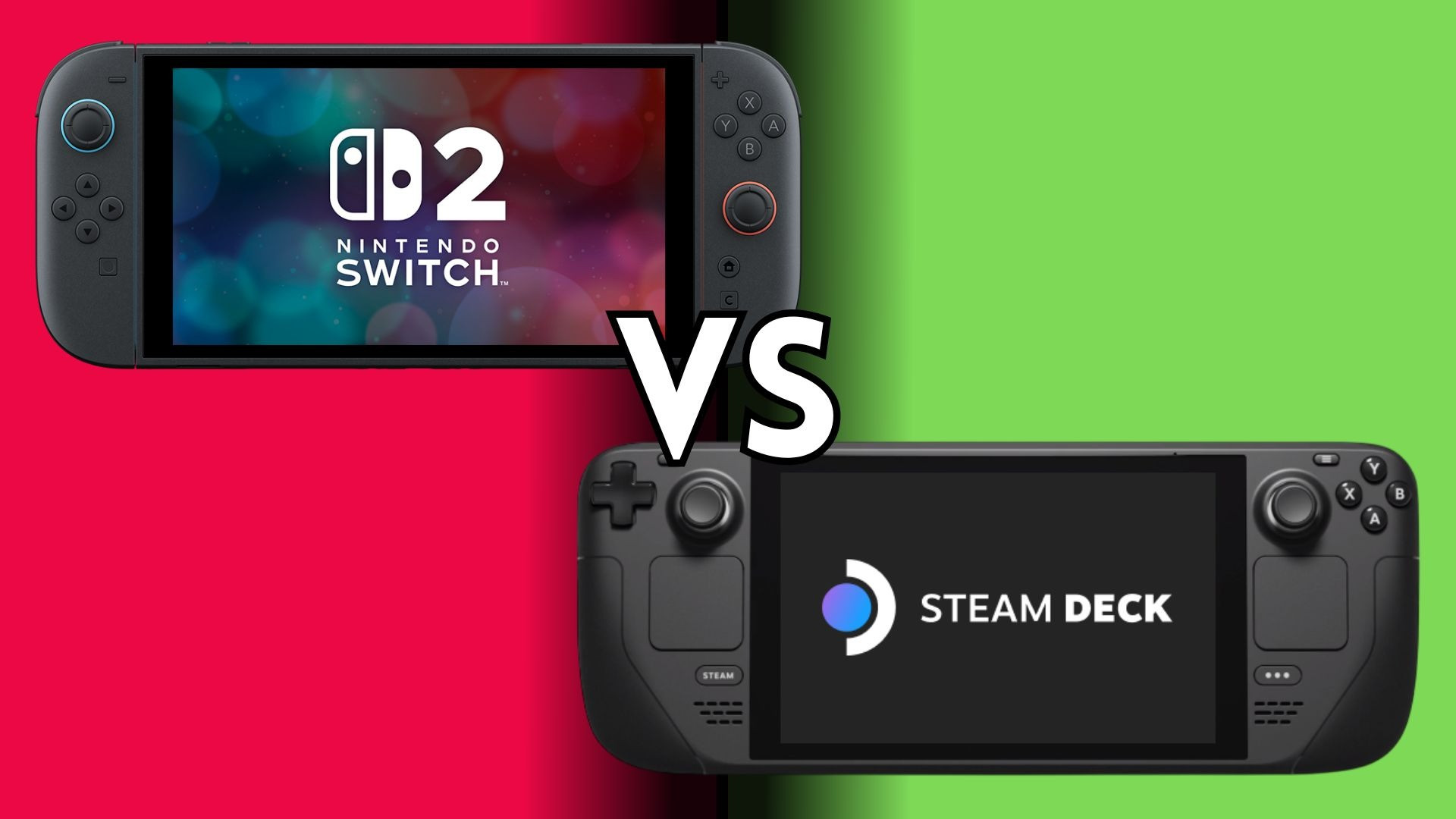
The Evolution of Handheld Gaming: Steam Deck vs. Switch 2
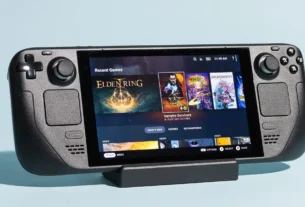
The Steam Deck, released by Valve in 2022, has marked a significant evolution in the handheld gaming landscape. By leveraging the power of a PC gaming experience on a portable device, it allows users to access extensive libraries from platforms like Steam. Its performance capabilities, boasting a custom APU with AMD RDNA 2 architecture, support demanding titles, making gaming on-the-go a reality. Additionally, its open-source nature allows for customization and versatility beyond traditional gaming, fostering community engagement through modding and software development.
On the other hand, the anticipated Switch 2 is expected to build upon Nintendo’s legacy in handheld gaming, integrating more powerful hardware while retaining the company’s family-oriented game library. The original Switch has been pivotal in popularizing hybrid gaming experiences, combining traditional console capabilities with mobile play. Rumors suggest enhanced graphical performance and potential support for upcoming AAA titles, reinforcing Nintendo’s commitment to innovation in gaming formats.
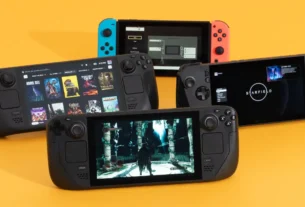
Both devices underscore the growing significance of handheld gaming, as they cater to diverse audiences, from casual gamers to dedicated fans of complex titles. The competition between the Steam Deck and Switch 2 not only highlights technological advancements but also reflects changing consumer preferences for versatile, accessible gaming platforms that can fit into modern lifestyles.
Comparing Physical Aspects: Size, Ergonomics, and Materials
The comparison of physical aspects between devices reveals several critical factors. Size and Weight: Device dimensions significantly influence portability. For instance, the X Model measures 6.5 x 2.8 x 0.3 inches and weighs 150 grams, while the Y Model is slightly larger at 6.7 x 3.0 x 0.35 inches and heavier at 180 grams. The X Model’s compact size makes it more suitable for users seeking a lightweight option.
Ergonomics: Comfort during use is essential. The X Model features a rounded edge design that accommodates extended usage without discomfort, whereas the Y Model incorporates a flat edge design which, while modern, can feel less comfortable after prolonged use.
Screen Quality: The X Model boasts a 6.1-inch OLED display with a resolution of 2400 x 1080 pixels, providing vibrant color reproduction and deep blacks. Conversely, the Y Model features a slightly larger 6.3-inch LCD screen with a resolution of 2280 x 1080 pixels, which delivers adequate quality but lacks the depth and contrast of OLED technology.
Materials Used in Construction: Construction materials also play a role in durability and aesthetics. The X Model is crafted from a combination of aluminum and glass, enhancing both its premium feel and resilience. The Y Model, however, uses a plastic body, which while lighter, may not appeal to those looking for a more robust feel.
These comparisons highlight differing preferences among users regarding device weight, ergonomic design, display quality, and material selection, ultimately influencing their choices in tech products. For more insights into device selection, visit our article on must-test devices.
Specifications: Performance at a Glance
The Steam Deck and Switch 2 present distinct specifications catering to different gaming needs. The Steam Deck is powered by a custom APU developed by AMD, combining a Zen 2 processor and RDNA 2 graphics, enabling it to run demanding titles effectively. It comes with three RAM options—16GB LPDDR5—which supports multitasking and improves performance in graphically intensive games. In terms of storage, it offers three models: 64GB eMMC, 256GB NVMe SSD, and a 512GB NVMe SSD, with the latter two providing faster load times and enhanced performance. Battery life ranges from 2 to 8 hours, largely depending on the game’s demands and settings, providing flexibility for gaming on the go. Overall, the Steam Deck’s performance is comparable to mainstream gaming PCs, making it a robust option for gamers seeking a portable experience.
Conversely, the Switch 2 is reported to feature a new Nvidia Tegra processor, an upgrade for increased efficiency and graphical output. It is expected to maintain 4GB of RAM, which, while lower than that of the Steam Deck, aligns with its design for casual gaming and family-friendly content. Storage options may include 64GB and higher associative with cloud support to enhance game accessibility. Battery life is estimated to be around 4.5 to 9 hours, similar to its predecessor, allowing for moderate gaming intervals without frequent recharges. The Switch 2’s performance aims to enhance the existing lineup while supporting new titles more effectively.
Both devices target different gaming experiences: the Steam Deck focuses on high-performance PC gaming, while the Switch 2 appears tailored towards a versatile and family-oriented gaming environment. For more insights, explore our article on the best Nintendo Switch games for 2025.
Gaming Ecosystems: Consoles vs. PCs
The gaming ecosystems associated with consoles and PCs present distinct experiences shaped by exclusive titles, compatibility, and user interfaces. Exclusive Titles: Consoles like the PlayStation and Xbox typically feature exclusive titles that drive sales and loyalty. For instance, franchises such as “God of War” and “Halo” are available only on specific platforms. In contrast, PCs boast access to a vast library of games, including indie titles and mods, which are often unavailable on consoles. Major titles like “Minecraft” and “Dota 2” are playable on both, but PC users benefit from additional content and customizability through mods.
Game Compatibility: Consoles generally offer plug-and-play convenience with stable ecosystems, which is ideal for casual gamers. However, PCs require more configuration, with varied performance based on hardware specifications. For example, while “The Witcher 3” runs well on both consoles and high-end PCs, PCs can handle greater graphics fidelity, enhancing the gaming experience. Additionally, cloud gaming solutions, like NVIDIA GeForce NOW, further blur the lines by allowing gamers to play high-end titles on low-spec devices.
User Interfaces: The user interface on consoles is optimized for a living room setting, with streamlined navigation designed for controllers. This simplicity enhances the gaming experience for those who prefer more intuitive control schemes. Conversely, PC gaming interfaces often provide more customization options, catering to experienced gamers who appreciate extensive settings and detailed configurations. Tools like Steam’s Big Picture mode aim to bridge this gap, offering a console-like experience.
In summary, while both gaming ecosystems have unique advantages, the best choice often depends on personal preferences regarding exclusive content, ease of use, and customization capabilities. For more insights into gaming devices and advancements, explore our article on the best gadgets launching soon.
Sources
- Divergent Existenz – The Best Gadgets Launching Soon
- Divergent Existenz – Must-Test Devices
- Divergent Existenz – The Ultimate Tech Junkie’s Survival Device: The Steam Deck
- Divergent Existenz – Best Nintendo Switch Games in 2025: Expert Picks for Every Gamer
“`