Introduction to Steam Deck: What is it and Why It Matters
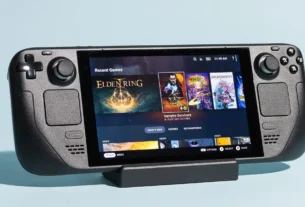
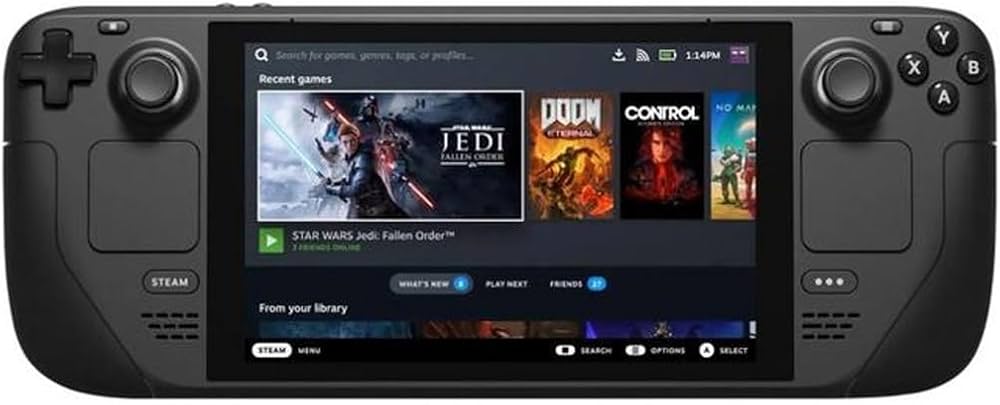
The Steam Deck is a handheld gaming device developed by Valve, designed to provide gamers with a versatile and powerful way to play PC games on the go. Released in February 2022, it features a custom AMD APU optimized for gaming, a 7-inch touchscreen display, and control options that include thumbsticks, trackpads, and a full button layout. The significance of the Steam Deck in the gaming market lies in its ability to bridge the gap between desktop gaming and portable devices, making high-quality gaming more accessible to a wider audience.
The Steam Deck runs on a custom version of SteamOS, allowing users to access their existing Steam library and play a vast array of games without the need for a traditional gaming console or PC. This shift towards portable gaming solutions has generated substantial interest, particularly among those who may not have the space or inclination for desktop setups. Its launch has prompted critical discussions about the future of gaming hardware and the increasing demand for hybrid devices that offer both portability and performance. For more insights on gaming devices, you may find interest in our article on the best gadgets launching this year.
Hardware and Technical Specifications Breakdown
The Steam Deck features an impressive array of hardware components that contribute to its robust performance in gaming. Central to its capability is the custom AMD APU, which blends a quad-core Zen 2 CPU with RDNA 2 architecture, offering not only impressive processing power but also a significant graphical performance increase suitable for modern gaming demands. The CPU runs at a frequency of up to 3.5 GHz, while the GPU boasts a performance of 1.6 TFLOPS, ensuring that games run smoothly even at higher settings (TechRadar).
With 16GB of LPDDR5 RAM, the Steam Deck allows for seamless multitasking and the ability to run demanding titles without much latency. In terms of storage, users can choose between a 64GB eMMC option, a faster 256GB NVMe SSD, or a 512GB high-speed SSD, all of which can be expanded via a microSD card slot, offering flexibility for game storage and management (PC Gamer).
The device’s 7-inch touchscreen display operates at a resolution of 1280×800 with a 16:10 aspect ratio, delivering vibrant visuals that enhance the gaming experience. Additionally, it supports variable refresh rates up to 60Hz, which is crucial for maintaining fluid motion in high-intensity gameplay (The Verge).
Lastly, the Steam Deck’s battery life varies from 2 to 8 hours depending on usage, facilitated by a 40Wh battery (Tom’s Hardware). Overall, the combination of its advanced hardware components and thoughtful design makes the Steam Deck a compelling option for on-the-go gaming enthusiasts.
Gaming Experience: Performance, Compatibility, and Popular Titles
The Steam Deck has significantly transformed the handheld gaming landscape with impressive performance metrics and a vast library of compatible titles. Featuring a custom AMD APU with a 4-core CPU and RDNA 2 GPU architecture, it delivers solid frame rates across a multitude of games, often matching that of mid-range gaming PCs. Users can expect to see respectable performance in popular titles like *Apex Legends*, *The Witcher 3*, and *Hades*, typically running at 30-60 FPS depending on settings adjustments.
In terms of compatibility, the Steam Deck runs on a customized version of SteamOS, allowing access to an extensive library of games from the Steam storefront. Valve has implemented a compatibility layer called Proton, which enables many Windows titles to run seamlessly on the device. The Steam Deck comes with a compatibility rating system, indicating whether games are verified, playable, or unsupported on the platform. As of now, over 4,000 titles are verified as playable, which includes a mix of AAA games and indie favorites.
For gamers seeking top recommendations, consider titles such as *Stardew Valley*, which runs beautifully on the device, and *Doom Eternal*, a graphically demanding game that performs surprisingly well. Another essential title is *Hollow Knight*, an indie game that takes full advantage of the Steam Deck’s portability and battery life, providing a rich gaming experience on the go.
For more in-depth insights into gaming hardware, you can read about the Steam Deck’s specifications and benchmarks to see how it stacks up against other gaming devices in terms of performance.
Tips and Tricks for Getting the Most Out of Your Steam Deck
To enhance your Steam Deck experience, there are several tips and tricks that can optimize performance and usability. Firstly, taking advantage of the device’s settings is essential. Users should tweak graphical settings to balance performance and visual fidelity, ensuring smoother gaming experiences. Additionally, consider using a microSD card for expanded game storage to manage the library efficiently, especially if you have numerous titles installed.
Another useful feature is the ability to customize control layouts for different games, which can improve comfort and response times during gameplay. Familiarizing yourself with SteamOS allows for better navigation through features and games, leading to more enjoyable sessions. Furthermore, keeping the device updated will ensure that you have the latest performance improvements and compatibility fixes.
Future Outlook: Updates, Accessories, and Community Insights
Looking ahead, the Steam Deck is poised for continual growth with expected updates and advancements in the gaming experience. Valve is committed to providing regular software updates aimed at improving stability, performance, and adding features to enhance the user experience. The growing community surrounding the Steam Deck has already begun sharing insights, mods, and optimizations, which contributes to a robust resource pool for users looking to maximize their device’s potential.
In terms of accessories, there is a rising number of third-party accessories designed specifically for the Steam Deck, ranging from protective cases to additional controller options, enhancing the overall gaming experience. With increasing popularity, there may also be collaborations or exclusive titles developed for the Steam Deck in the future, solidifying its place in the gaming market.
Sources
- PC Gamer – Steam Deck Specs Review
- Divergent Existenz – Best Gadgets Launching This Year
- TechRadar – Steam Deck Review
- The Verge – Valve’s Steam Deck: Specs and Performance
- Tom’s Hardware – Steam Deck Review
- Divergent Existenz – The Ultimate Tech Junkie’s Survival Device: The Steam Deck
“`