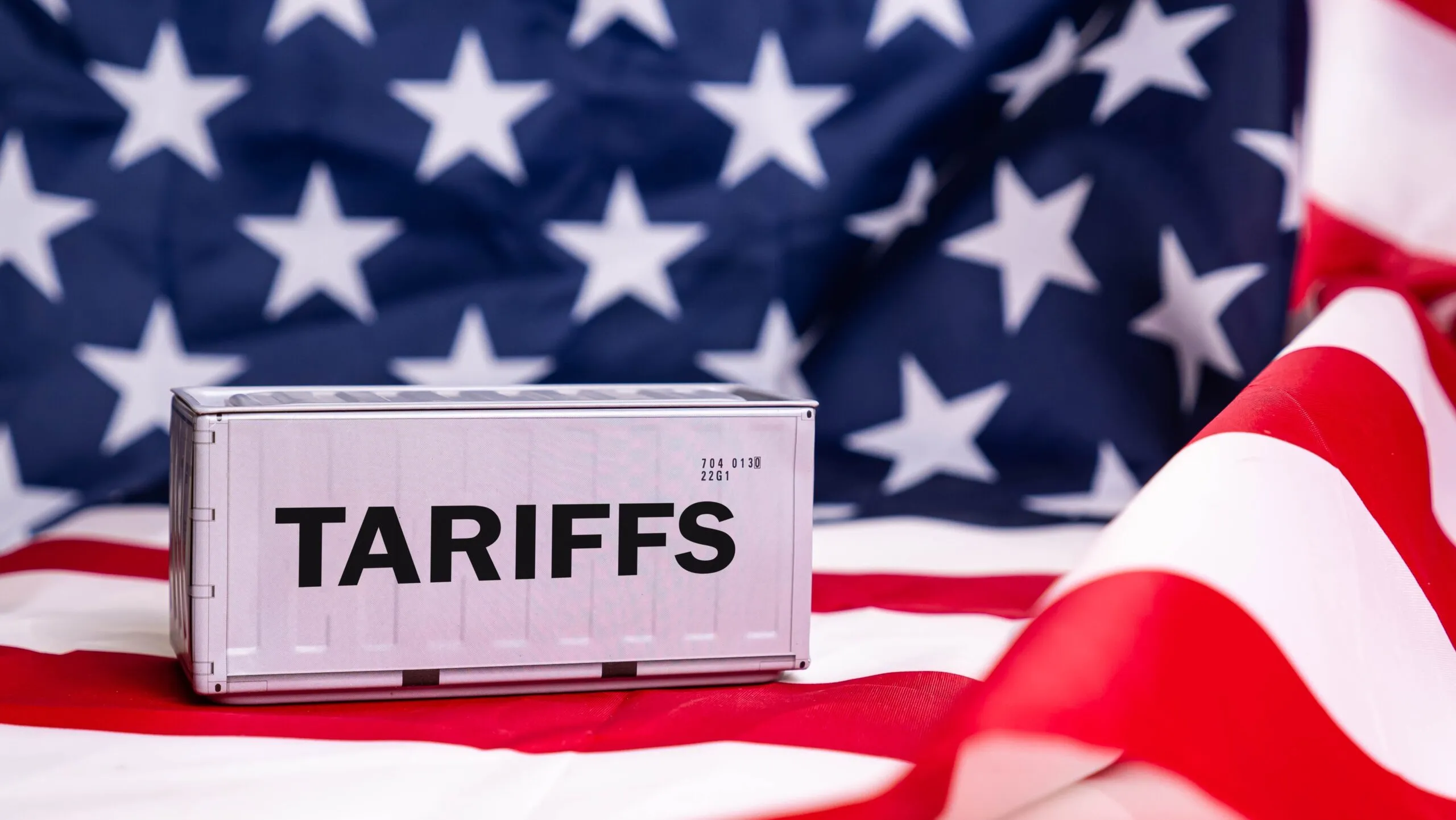
The Ripple Effects of Trade Policy on Local Entrepreneurs
Amidst an escalating trade war and a fresh round of tariffs implemented by President Trump’s administration, small businesses in Denver’s apparel industry are experiencing the brunt of global economic tensions. The latest CNN report featuring Sunny Kim—Co-founder of Aurora-based apparel company Sene and a voice for small businesses—highlights how rising tariffs on Chinese imports are severely disrupting supply chains and putting strain on local entrepreneurs.
For companies like Sene that rely on global materials and manufacturing networks, these unexpected trade policy shifts present a direct threat to business continuity, customer satisfaction, and profitability. What seemed like a policy targeting foreign economies has now landed squarely on the doorstep of Main Street America.
Understanding the Tariffs: What Changed?
In recent months, the Trump administration announced a new series of 25% tariffs on $300 billion worth of Chinese goods, affecting a wide variety of imports including textiles, electronics, and raw materials crucial to the apparel sector.
- Increased duties on fabric, thread, and other components
- Longer delivery timelines due to customs delays
- Sudden rises in production costs passed on to consumers
While tariffs are often touted as measures to encourage domestic production and protect U.S. jobs, the highly globalized nature of the fashion and apparel supply chain poses unique challenges. Small companies, unlike their corporate counterparts, don’t have the financial cushion or logistical networks to absorb such sudden shocks.
Case Study: Sene’s Import Challenges
Sene, co-founded by Sunny Kim and her husband, has carved a niche by offering custom-made apparel using sustainable fabrics and technology-driven fittings. While innovation is their strength, their success depends heavily on a seamless international supply chain.
“The problem is we’re stuck in the middle,” Sunny stated in her interview on CNN. “We can’t just pick up our supply chain and move it to a different country overnight.”
Before the tariffs, Sene sourced specialized fabric components from China and partnered with artisans in other parts of Asia for stitching and assembly. Now, the company:
- Faces a 25% increase in materials cost
- Deals with backlogs and customs blockages
- Risks passing costs to customers or shrinking profit margins
For a growing business that needs to manage tight operational budgets while scaling, such uncertainty threatens their entire business model.
Local Economic Impacts in Denver
Denver has long been a nurturing ground for small businesses and startups thanks to its entrepreneurial ecosystem and community support. However, the ongoing trade war is becoming a bottleneck in otherwise-growing sectors like ethical fashion, e-commerce, and tech-driven retail.
Key impacts on local Denver businesses:
- Delays in inventory restocking affecting in-store and online sales
- Loss of customer trust due to longer wait times for orders
- Fewer local jobs as businesses cut down on marketing and hiring
- Reduced competitiveness as competitors not reliant on Chinese goods overtake in pricing
Sene has had to consider raising prices—a risky move in a highly competitive market where customer loyalty is fleeting and margins count. As Sunny expressed, “We didn’t go into business to be collateral damage in global politics.”
Why Small Businesses Bear the Bigger Burden
Large corporations like Nike or Levi’s have contingency plans—they can shift manufacturing, absorb costs through other products, or negotiate better rates with shipping and logistics providers. Meanwhile, small businesses like Sene:
- Operate with fewer negotiating advantages
- Have limited alternate sourcing options
- Rely on transparent pricing models and ethical practices that don’t leave room for compromise
Moreover, many of these small businesses have built their brand on identity-driven values: sustainability, transparency, local employment, diversity. Cutting corners to absorb costs isn’t an option without betraying their mission.
The Volatility of Trade Policies
Aside from the actual tariffs, the unpredictability associated with future policy changes is a major stressor. Business planning relies on forecasting, contracts, and liquidity logistics—all of which suffer from ongoing trade uncertainty.
For startups and small-to-midsize enterprises, this makes it almost impossible to:
- Secure investor funding with confidence
- Predict profit margins
- Maintain equitable employee compensation
As Denver-based companies attempt to stay afloat, they’re calling for more support at both federal and state levels. Entrepreneurs like Sunny Kim urge lawmakers to engage in broader stakeholder consultations before enacting policies with wide-reaching domestic consequences.
Possible Solutions & Community Actions
So what can the Denver small business community do?
Here are steps companies and local supporters can take to navigate the current climate:
1. Diversify Supply Chains
Though easier said than done, some companies are starting to explore manufacturing options in countries like Vietnam, India, and Mexico. The idea is to reduce reliance on Chinese imports and avoid future tariffs.
2. Build Consumer Awareness
Companies are using transparency to their benefit—informing customers about costs, delays, and challenges—hoping they’ll choose loyalty over price savings.
3. Leverage Local Support Systems
Denver’s active small business networks, such as the Denver Metro Chamber of Commerce and local co-working spaces, can help businesses collaborate, share supplier connections, and advocate for policy reforms.
4. Push for Policy Reform
More small businesses are joining lobbying efforts to make their voices heard. They’re stressing the importance of de-escalating trade tensions and offering small business exemptions or tax reliefs during transitions.
Looking Ahead: Resilience Amid Challenge
If there’s one takeaway from Sunny Kim’s experience, it’s that small business owners are resilient and resourceful. Often working out of passion over profit, these entrepreneurs maintain a human face in an economic story too often told in numbers alone.
But without targeted support, hundreds of businesses like Sene risk being casualties of macroeconomic decisions beyond their control. At a time when small businesses generate nearly 44% of U.S. economic activity and employ over 60 million Americans, protecting them is not just ideal—it’s essential.
The path forward demands creative problem-solving, collaboration across sectors, and more thoughtful policy-making. Entrepreneurs like Sunny Kim have already shown the grit. What they need now is support to level the playfield.
Conclusion
The Denver apparel community stands at a critical juncture. Tariffs are disrupting lives and businesses in ways policy-makers may not have anticipated. But through awareness, advocacy, and adaptation, the small businesses that fuel local economies can continue to thrive.
Let’s ensure that American-made dreams aren’t lost to international power struggles. Small business is the heart of our neighborhoods—and it’s time we listen to their heartbeat.
If you’re a Denver shopper, entrepreneur, or policymaker: buy local, speak up, and support the small businesses weathering this storm.
Do you own a small business impacted by international trade policies? Share your story in the comments below or reach out to us for a future spotlight!