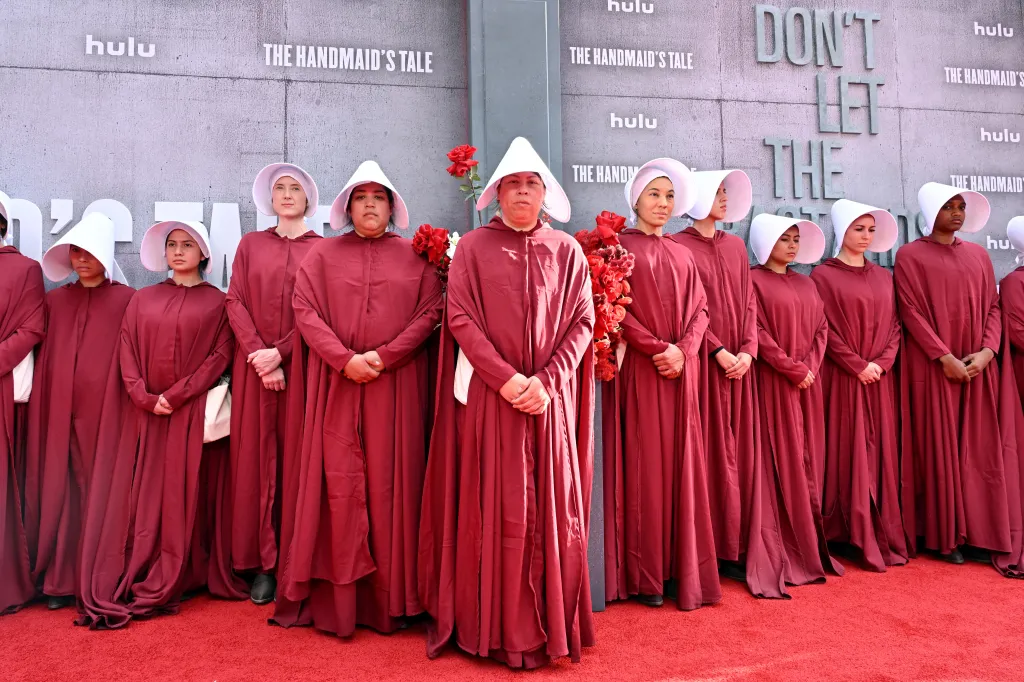
The final episode of The Handmaid’s Tale has landed, concluding a powerful narrative that captivated audiences for six dramatic seasons. As fans say goodbye to June Osborne and the Gileadean dystopia that’s gripped them for years, the finale focuses on a theme that has remained central since Season 1 — June’s unwavering love for her daughter, Hannah.
In this blog post, we’ll explore the emotional highs and lows of the series finale, dive into how June’s journey culminated in this heroic chapter, and unpack what the ending means for her character and the broader universe of The Handmaid’s Tale.
The Finale’s Emotional Core: A Mother’s Devotion
Throughout the series, June’s determination to reunite with her daughter has fueled her resistance against Gilead’s brutal regime. The finale brings that full circle, shifting some of its focus from political struggle to the deeply personal quest of a mother attempting to reclaim her child.
In this final episode, audiences witness a quieter, more internal reckoning. June is not charging through checkpoints or staging rebellions — she is making decisions that reflect both personal sacrifice and long-term hope. The emotional weight of the finale lies in her clarity of purpose: Hannah’s safety, future, and freedom matter more than revenge.
The Final Climax: Letters of Love and Liberation
One of the most poignant moments occurs when June and Luke write letters to Hannah, which they know will likely be their only way to communicate for the foreseeable future. Their words are filled with love, sorrow, and hope — a powerful testament to the emotional maturity and strength that June has developed throughout her harrowing journey.
“The pain is still there, of course,” June tells Luke, “but it hurts less when I know she’s going to be free.” This isn’t just a farewell — it’s a handing off of maternal courage, a hope that their daughter will grow up to find her own strength in their legacy.
A Different Kind of Ending
Unlike many dramatic finales that aim to shock or twist the narrative at the last moment, the final moments of The Handmaid’s Tale choose reflection over suspense. Elise Bauman, the showrunner, mentioned in interviews that they wanted the ending to feel “earned and grounded in truth.” Rather than a violent overthrow or confrontation, the story embraces realism in the face of dystopia.
Here’s what sets the finale apart:
- Closure through Emotion: The show provides emotional closure even if political resolution remains unfulfilled.
- Space for Hope: Despite the darkness of the overall narrative, the finale leaves space for hope, particularly through the younger generation represented by Hannah.
- The Continuation of the Story: With The Testaments (based on Margaret Atwood’s sequel novel) already in development for TV, the finale acts as a natural bridge to a new phase in the story universe.
Nick and June: Unfinished Scars and Quiet Goodbyes
The relationship between June and Nick, one of the show’s most complex dynamics, receives a subtle yet significant conclusion. The two share a heartfelt conversation in the final episode, recognizing their past pain while acknowledging that their futures lie apart. There’s no dramatic kiss or farewell — only quiet acceptance.
“We did what we could,” Nick tells her, his voice tinged with sorrow. This moment illustrates how deeply both characters have evolved. The intimacy of their bond is evident, even as they walk different paths.
Symbolism and Imagery: Hope Through the Generations
The final shots of the series are carefully composed to evoke both loss and liberation. As the camera follows June on a train filled with refugees, each face tells a story of suffering, escape, and new beginnings. The quiet we see in June is not weakness — it’s the strength of a survivor who refuses to let trauma define her future.
Hannah’s voice-over of her parents’ letters blends with the final scenes, reminding viewers that the fight for freedom is ongoing — but it’s being passed into younger, hopeful hands.
June’s Legacy: From Handmaid to Symbol
Across six seasons, June transformed from a subjugated handmaid into a fierce freedom fighter, a loving mother, and ultimately, a symbol of resilience. Her journey has embodied themes including:
- Female Empowerment
- The complexity of trauma
- The power of memory and legacy
The final season doesn’t wrap her story in a bow — it shows the scars, the hard choices, and the quiet triumphs that make her human.
The Supporting Cast’s Farewell
While June is the heart of this tale, the finale also gracefully nods to other key characters:
- Serena Joy — Embracing an uncertain motherhood and grappling with guilt
- Aunt Lydia — Torn between indoctrination and maternal care
- Commander Lawrence — Facing the consequences of his idealism
Each of these characters leaves behind ambiguity and unresolved conflicts, reminding us that Gilead’s systems are still active and that true freedom will be a long road ahead.
Closure Without Perfection
The writers were careful not to give a fairytale conclusion because real revolutions rarely end that way. Instead, the finale mirrors real-world struggles, opening a door to continued activism and discourse among viewers.
What’s Next in The Handmaid’s Universe?
While the mainstream narrative of The Handmaid’s Tale may be over, Hulu has already confirmed the development of The Testaments — the adaptation of Margaret Atwood’s literary sequel. Set 15 years after the end of the original series, it will delve deeper into Gilead’s possible collapse and the fates of characters like Aunt Lydia and young revolutionaries.
For fans wondering whether June or Hannah will reappear, show producers haven’t ruled it out — especially as thematic and character continuity will be key to tying both series together.
Final Thoughts: A Bittersweet Goodbye
The Handmaid’s Tale finale delivers everything long-time viewers hoped for — emotional closure, thematic depth, and a glimpse into a future beyond oppression. June Osborne’s journey ends not with a bang, but with love, resilience, and hope. That, perhaps, is the greatest rebellion of all.
As we step away from Gilead and into the broader universe Atwood created, it’s clear this story will resonate for years to come — not just as entertainment, but as a profound reflection on power, justice, and the indomitable spirit of motherhood.