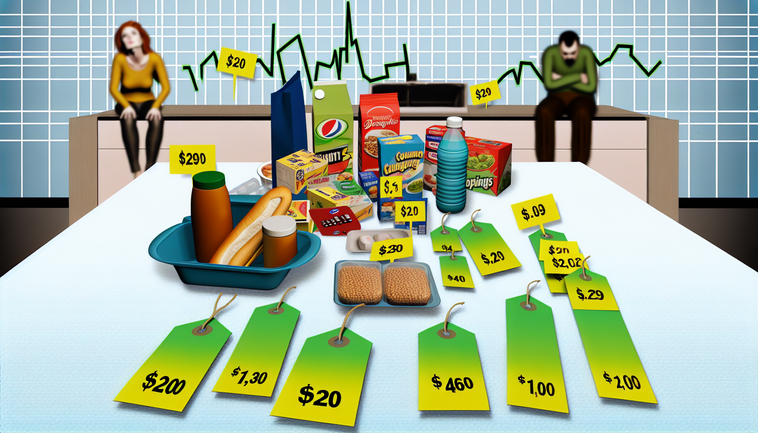
Last week I scrolled through TikTok and saw dozens of videos: households emptying their groceries onto countertops, tallying up how far $20 or $40 stretches—and feeling deflated at every reveal. These snippets capture a shared frustration: our wallets feel lighter, yet official reports say inflation may be easing. Why does our daily experience diverge so sharply from the numbers in Washington?
When I push a cart down the supermarket aisle, I don’t see bland indexes or seasonally adjusted percentages. I see sticker shock on produce, shock on dairy, shock on just about everything. Our personal inflation gauge is built on shock and surprise, not statistical smoothing. We remember the sudden 50-cent jump at checkout more vividly than the gentle downward nudges reported in monthly surveys.
The Consumer Price Index, or CPI, aggregates price changes across a basket of goods and services and applies formulas to iron out extremes. It swaps out items that become too pricey or obsolete, smooths volatile sectors like energy, and blends in quality adjustments. In theory this offers a steady pulse on overall inflation, but it also masks the individual spikes we feel in our own carts.
Cognitive factors deepen the gap. We’re wired to notice sharp increases—if your favorite coffee brand jumps 20 cents a cup, it overrides the small savings you might gain elsewhere. Confirmation bias kicks in when we seek social media evidence of rising costs to validate our frustration. Meanwhile, incremental price drops in other areas slip by unnoticed.
Alternative measures, like the Personal Consumption Expenditures index, use different weightings and sources, sometimes showing slightly different trends. But none fully capture our emotional ledger. No index can quantify the slog of scanning prices on staples week after week, or the anxiety of wondering if tomorrow’s trip will cost even more.
Understanding these gaps matters as we make budget decisions. Recognizing that official inflation could understate what you pay might encourage more price comparisons, use of coupons, bulk buying, or shifting to generic brands. It also underscores the importance of policymakers listening closely to households, not just to statistical aggregates, when crafting economic relief measures.
At the end of the day, reconciling our lived experiences with headline figures calls for empathy on both sides. Consumers deserve transparency and tools to manage their budgets effectively, while economists and officials benefit from hearing the stories behind each cart. Bridging this divide is essential if we truly want an inflation measure that resonates with real life—and if we hope to emerge from this era with both our finances and our faith in data intact.