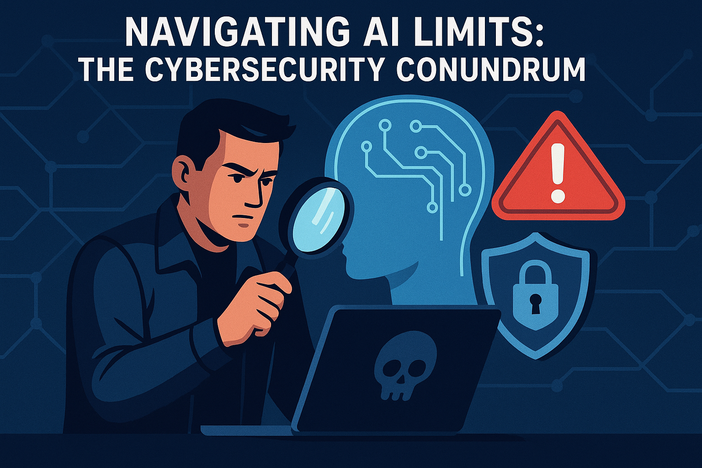
In the cutting-edge world of cybersecurity, professionals who hunt for unknown vulnerabilities play a crucial role in keeping digital ecosystems safe. Known as offensive cybersecurity researchers, these experts simulate hacking attempts to expose potential security flaws before malicious actors can exploit them. Traditionally, their work has been hands-on and unrestricted. However, recent developments in artificial intelligence have introduced new challenges, as guardrails placed by AI developers like OpenAI and Anthropic impede their ability to simulate cyber threats effectively.
The intention behind these AI guardrails is, of course, well-meaning: they aim to prevent AI misuse and maintain ethical standards. OpenAI, for instance, imposes restrictions on its technology to avoid its application in harmful activities, such as creating autonomous hacking tools. Similarly, Anthropic instills safety protocols to ensure AI assists responsibly. While these safety measures protect against abuse by malevolent entities, they inadvertently create roadblocks for cybersecurity professionals who rely on these very tools to enhance their research and testing capabilities.
From the perspective of offensive cybersecurity researchers, these guardrails can seem overly restrictive. Imagine trying to craft a training camp for soldiers without any access to realistic combat simulations; similarly, researchers are finding it increasingly difficult to prepare for real-world digital threats without fully leveraging AI’s potential. As a result, the learning and adaptation process becomes stunted, potentially leaving real systems slightly more vulnerable by not being thoroughly tested under AI-enabled simulations.
However, it’s essential to recognize that this is not a simple issue of right versus wrong. AI developers are tasked with a complex balancing act: they need to ensure their technology is protected from abuse, yet at the same time, they must consider the vital needs of those on the front lines of cybersecurity. One possible path forward could involve collaborations where cybersecurity experts work closely with AI companies to set more nuanced guidelines, allowing AI to be harnessed effectively by the right hands while maintaining adequate safety protocols.
In conclusion, the interface between AI and offensive cybersecurity represents a fascinating and necessary dialogue on ethics, safety, and advancement. As AI continues to evolve, it’s imperative that we build frameworks that empower researchers in their quest to safeguard digital frontiers. The conversation surrounding AI guardrails is just beginning, but it is crucial in shaping a future where technology is an ally, not an obstacle. Through collaborative efforts and mutual understanding, we can work towards solutions that honor the integrity of both safety and progress in the cybersecurity realm.