In an age where AI is increasingly becoming a staple of everyday life, some captivating science fiction books paint vivid pictures of futures dominated by machines with intelligence far surpassing our own. These tales are no longer confined to the realm of fiction; according to OpenAI CEO Sam Altman, this reality is already upon us. With cities embracing technologies that were once mere figments of an author’s imagination, the lines between our world and the sci-fi narratives are increasingly blurred.
The juxtaposition of AI’s boundless potential against human limitations raises intriguing questions about where society is headed. Many sci-fi authors have explored scenarios where AI achieves unfathomable intelligence, leading to different outcomes—from utopian societies to dystopian landscapes. These narratives challenge us to examine the implications of AI’s ascent and the responsibilities we hold as creators of these sophisticated entities.
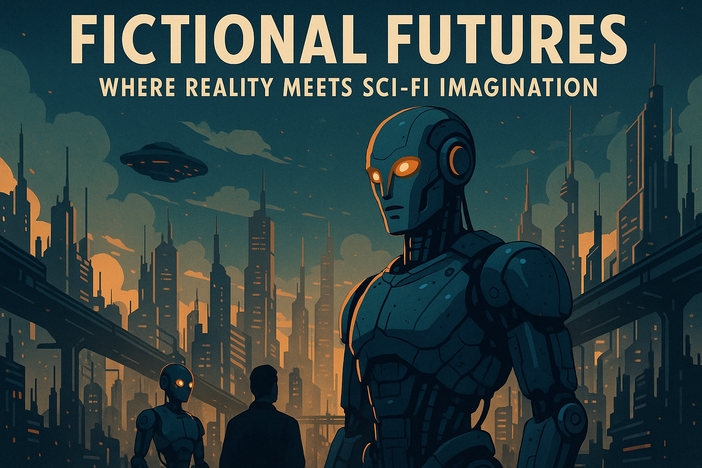
In the modern metropolis, robots and advanced AI systems are integrated into infrastructures, acting as silent observers, diligent workers, and even guiding forces in decision-making processes. The city skyline against the backdrop of technological evolution becomes a symbol of humanity’s triumphs and fears. On one hand, these technological advances offer promising solutions to age-old problems, and on the other, they stir up concerns about privacy, autonomy, and control.
As we delve into these literary worlds, it becomes an exercise in introspection. The themes posed by these stories urge us to consider the ethical frameworks we need to establish as we edge closer to creating intelligence that mirrors or exceeds our own. The speculative narratives serve as both warnings and hopeful aspirations, highlighting the delicate balance between innovation and moral responsibility.
Ultimately, the future remains unwritten, with science fiction continuously serving as a mirror reflecting our anxieties and ambitions. As AI weaves itself into the fabric of our cities, much like the dynamic characters in these stories, humanity stands at a crossroads. We hold the pen that will determine whether our future reads as a cautionary tale or a narrative of harmony between human and machine. In embracing this responsibility, we may find ourselves crafting a reality as thrilling as any novel.