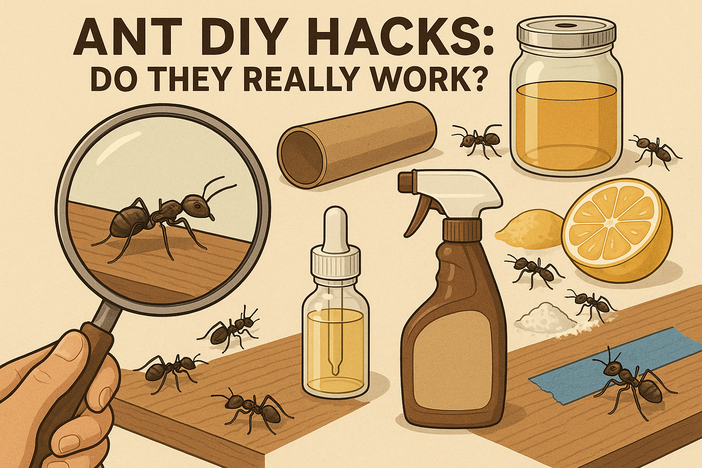
As the weather warms up and the days grow longer, many of us find ourselves sharing our homes with uninvited guests: ants. These tiny invaders, while not harmful, are undoubtedly annoying. Consequently, a slew of do-it-yourself solutions has emerged on the internet, claiming to be quick and effective remedies to rid your space of these persistent pests. But how many of these hacks actually deliver on their promises? Entomologists have taken it upon themselves to test some of these popular ant hacks to separate fact from fiction.
The surge in internet-born tips for deterring ants is understandable; nobody likes to see a stream of them marching through their kitchen. Common suggestions range from the use of household products like vinegar and lemon juice to more peculiar advice involving chalk and cinnamon. While these solutions are certainly creative, the question remains – are they effective, or just old wives’ tales repackaged for a digital age?
Entomologists, with their expertise in insect behavior, have begun to systematically evaluate these widespread directives. Their findings suggest that while some DIY methods may have a marginal impact, many fall short of being comprehensive solutions. For instance, while vinegar might disrupt an ant’s trail temporarily, it does little to address the root cause of the infestation. Ants are clever and often find ways to establish new routes, diminishing the supposed effect of these home remedies.
Moreover, the allure of these methods might lie in their simplicity and accessibility. Who doesn’t want to believe that their pantry contains all they need for a quick pest fix? Yet, the research suggests that a long-term solution often requires a more thorough approach. Professional pest control services, for example, tend to offer more sustainable results, as they focus on not just eliminating ants but also preventing their return by addressing entry points and ecological causes.
In conclusion, while these DIY ant deterrents might offer temporary reprieve, they are far from foolproof. It’s essential to understand that effectively dealing with an ant problem involves more than just quick hacks; it requires a comprehensive understanding of the pests themselves and often a professional approach for lasting control. For those struggling with recurring ant issues, combining preventive measures with professional insights might be the most effective way forward.