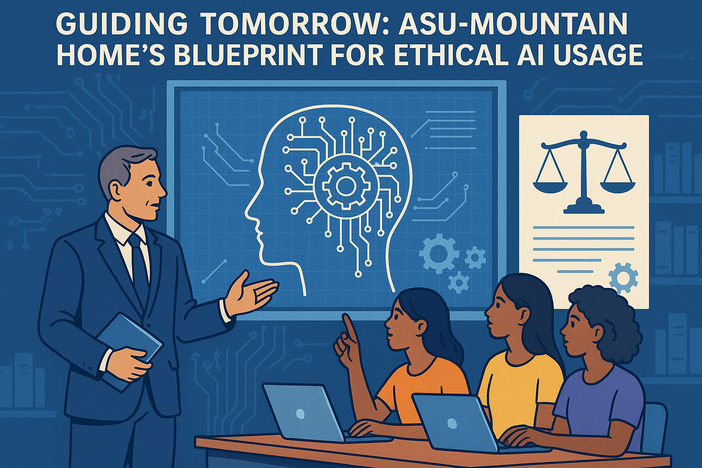
In an era where artificial intelligence is no longer just a concept of science fiction but a tangible influence in our daily lives, educational institutions are finding their role pivotal in shaping the future of this technology. Arkansas State University-Mountain Home has taken a proactive step by launching a comprehensive guide aimed at addressing the ethical dimensions of AI usage. This move underscores the critical balance that academia aims to maintain between embracing innovation and fostering responsible digital citizenship among its students.
The guidebook from ASU-Mountain Home comes as AI technology becomes increasingly integrated into various aspects of learning and daily operations. From AI-powered educational tools to administrative tasks, the potential of AI is vast. However, with great power comes great responsibility. The challenge for educators and students alike is not only to understand how to utilize this technology but also to grasp the ethical considerations that accompany its use. By setting these standards, ASU-Mountain Home positions itself as a leader in ethical AI education.
What sets the ASU-Mountain Home guidebook apart is its practical approach to ethical issues surrounding AI. Rather than taking a theoretical stance, the guide offers real-world scenarios and actionable steps for students to follow. This hands-on methodology helps demystify AI ethics, making it accessible and relevant to learners at all levels. The guide encourages critical thinking, prompting students to question the implications of AI decisions and to consider the broader impact of their actions in a digital landscape.
Moreover, the initiative reflects a growing movement within educational spaces to not merely react to technological changes but actively prepare students for them. By embedding ethical considerations into the curriculum, ASU-Mountain Home asserts the importance of foresight and responsibility as foundational elements of education. This forward-thinking approach not only aids current students but also sets a precedent for future educational models, suggesting that ethical AI literacy could soon become a universal academic standard.
In conclusion, Arkansas State University-Mountain Home’s guidebook on the ethical use of AI is a significant stride towards responsible technology integration in education. It embodies a commitment to nurturing informed, conscientious digital citizens equipped to navigate the complexities of emerging technologies. As AI continues to evolve, such groundbreaking educational resources ensure that ethical considerations remain at the forefront of technological advancement, fostering innovation that is aligned with societal values and ethical principles.