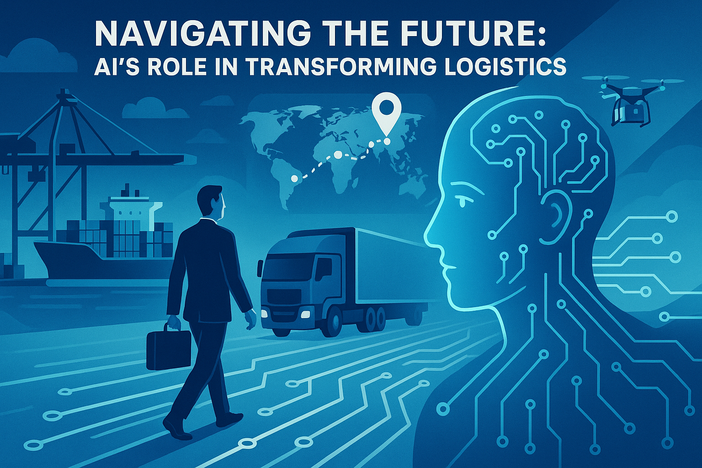
In an era dominated by rapid technological advancement, the logistics industry is experiencing a transformative change driven by artificial intelligence. Yet, as Alex Lin from Lalamove aptly points out, the incorporation of AI into logistics isn’t about entirely replacing human decision-making but rather enhancing it. Lalamove, a leading company in the logistics sector, is leveraging AI to predict trends, optimize routes, and improve delivery efficiency. However, the human element remains indispensable.
AI’s role in logistics primarily centers around analyzing large datasets to forecast demand and streamline operations. Predictive technologies are proving instrumental in anticipating peak times and optimizing resource allocation, allowing companies like Lalamove to stay ahead of the curve. By analyzing patterns and historical data, AI helps logistics companies to reduce costs and improve the precision of deliveries, providing a competitive edge in an increasingly congested market.
Despite the impressive capabilities of AI, human judgment is irreplaceable, especially in scenarios involving complex decision-making and nuanced understanding. Lin emphasizes that empathy, creativity, and on-the-spot problem-solving skills are where humans shine and machines fall short. Logistics often presents unpredictable challenges that require a human touch — a delivery gone wrong due to unexpected weather conditions or urgent customer requests that AI might not be equipped to handle with the necessary sensitivity.
Integrating AI with human expertise brings about a symbiotic relationship that enhances the efficacy of logistics operations. Lalamove’s strategy underscores the importance of striking a balance between advanced technology and human intuition. The real value lies in using AI as a tool to empower human workers, augmenting their abilities rather than sidelining them. This approach not only boosts operational efficiency but also ensures customer satisfaction.
As AI continues to evolve, its potential to reshape logistics is immense. However, the core of successful logistics will remain rooted in human judgment and adaptability. AI can predict and automate, but it is the human capacity for empathy and creativity that navigates the unforeseen challenges of the logistics landscape. In an industry that demands precision and reliability, the partnership between AI and humans is not just beneficial — it is essential. This balanced integration is key to a future where technology and human insight coalesce to overcome challenges and drive the logistics industry forward.