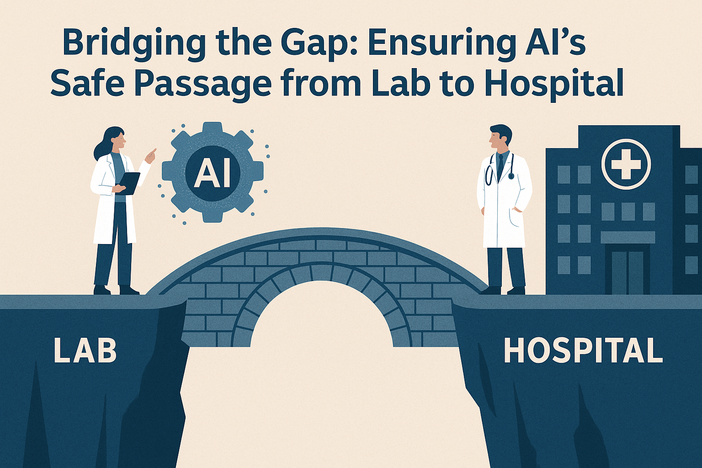
The healthcare sector is on the brink of a technological revolution, driven largely by artificial intelligence (AI). However, as the pace of AI development accelerates, the supporting infrastructure seems to be playing catch-up. According to recent insights, there’s a race against time as healthcare providers strive to integrate AI into mainstream services, even while the necessary frameworks for such integration lag behind. This imbalance could potentially lead to increased risks, especially as unregulated, ‘shadow’ AI solutions become more common across clinical and administrative domains.
One of the main challenges in this rapid AI adoption is the push from healthcare executives who are eager to leverage AI’s potential to enhance patient outcomes and streamline operations. While their enthusiasm is understandable, it sometimes overlooks the practical readiness of existing hospital infrastructures to handle such sophisticated technologies. The gap between ambition and reality raises important questions about compliance, security, and data integrity that are crucial when sensitive health data is at stake.
A growing concern is the proliferation of shadow AI—unauthorized or unknown AI applications running within hospital environments without official sanction or oversight. This often happens when departments independently deploy AI solutions to address immediate challenges, bypassing centralized IT protocols. While this can sometimes introduce necessary innovation and agility into healthcare practices, it also poses significant risks to data security and compliance with healthcare standards. These shadow initiatives highlight a need for robust governance of AI integration across all levels of healthcare facilities.
Strategically addressing these issues requires a multifaceted approach. Firstly, there needs to be a concerted effort to develop and implement robust infrastructure that can securely manage AI workloads. This involves not just technological investments, but also the development of clear protocols and training for staff involved in both deploying and managing AI technologies. Additionally, institutions must foster an environment of open communication between IT departments and healthcare professionals to ensure that shadow AI efforts can be regularized and standardized.
In conclusion, while the urgency to integrate AI into healthcare is understandable and even commendable, it is imperative that this is done responsibly. By ensuring that infrastructure keeps pace with AI innovations, and by fostering a culture of compliance and security, healthcare providers can leverage AI safely and effectively. As AI inches from data centers towards patient bedsides, the need for a robust and compliant infrastructure becomes not just advisable, but essential for the future of patient care.