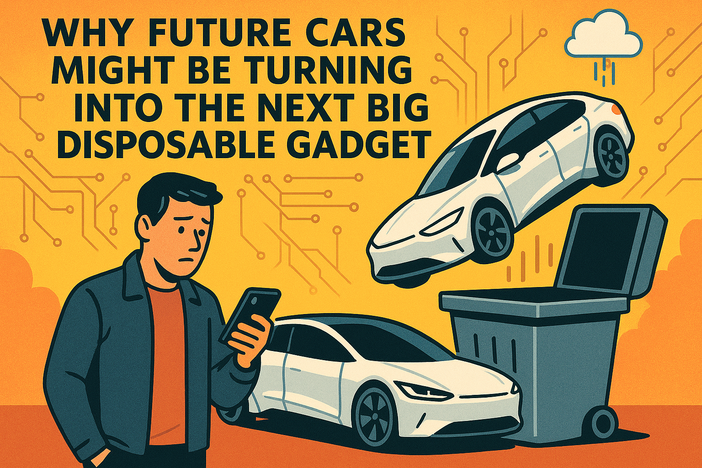
As we inch closer to 2026, advancements in car technology seem to be promising a future that’s as thrilling as the latest sci-fi flicks. Yet, while many are eager to embrace the innovative tech-laden vehicles rolling out of production lines, there’s a growing concern: are cars slowly becoming the next big disposable gadget? With complex data systems and proprietary technologies, modern cars might soon charm us with their smartness and then frustrate us with their ephemerality.
One of the primary criticisms is the shift toward data-intense vehicles that are packed with technology which sometimes borders on maverick. These systems offer incredibly sophisticated functionalities, from self-driving capabilities to advanced connectivity features that rival our smartphones. However, the downside is their dependency on electronics and software, which tend to become obsolete or fail far quicker than traditional mechanical parts. As a result, what once lasted decades might now be discarded after just a few years.
Another escalating issue is the difficulty in repairing these technologically advanced cars. As proprietary software and specialized components become the norm, car repairs can no longer be a straightforward or universal task. Often, owners are left at the mercy of authorized dealers for repairs, significantly hiking maintenance costs. This controlled ecosystem echoes the strategy many tech companies use, dialing up the difficulty for third-party fixes and teetering on the edge of anti-consumer practices.
Beyond repairability and longevity, there is a growing environmental concern about this disposable nature of vehicles. The environmental impact of frequently manufacturing new vehicles is profound, with resource depletion and energy consumption continuing to mount. Moreover, disposing of complex electronics and batteries poses its own set of ecological challenges, exacerbating an already burgeoning e-waste problem.
In conclusion, while 2026 promises cars that are smarter, faster, and more intuitive than ever, the trade-offs cannot be ignored. The automotive industry stands at a crossroads where balancing innovation with sustainability and practicality has never been more important. As consumers, we must advocate for vehicles that won’t just be today’s tech triumphs but will also remain relevant and repairable tomorrow. Only then can we steer towards a future where cars enhance our lives without complicating our planet’s challenges.